

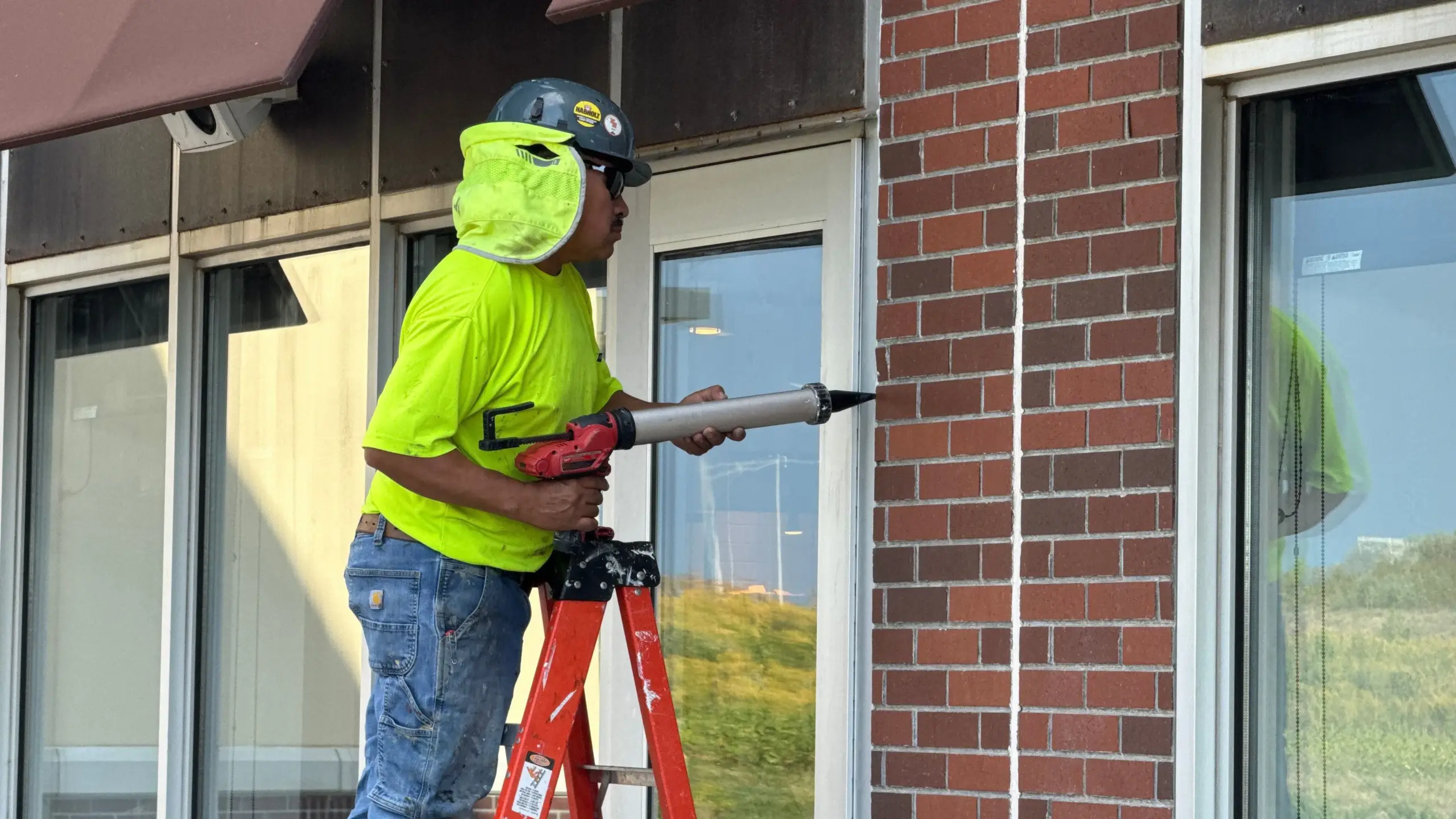
Joint sealants are a key component of the building envelope, designed to seal gaps at control joints, expansion joints, and material transitions. These areas are subject to constant movement and exposure, requiring a flexible system that can maintain a consistent seal under varying conditions.
A properly installed sealant system helps manage joint movement while preventing the entry of moisture and air, supporting the overall performance and durability of the structure.
Why Sealant Replacement Is Important
Over time, sealants naturally break down due to UV exposure, weathering, and continuous movement. As the material loses elasticity, it can crack, separate, or lose adhesion—creating direct pathways for water and air infiltration.
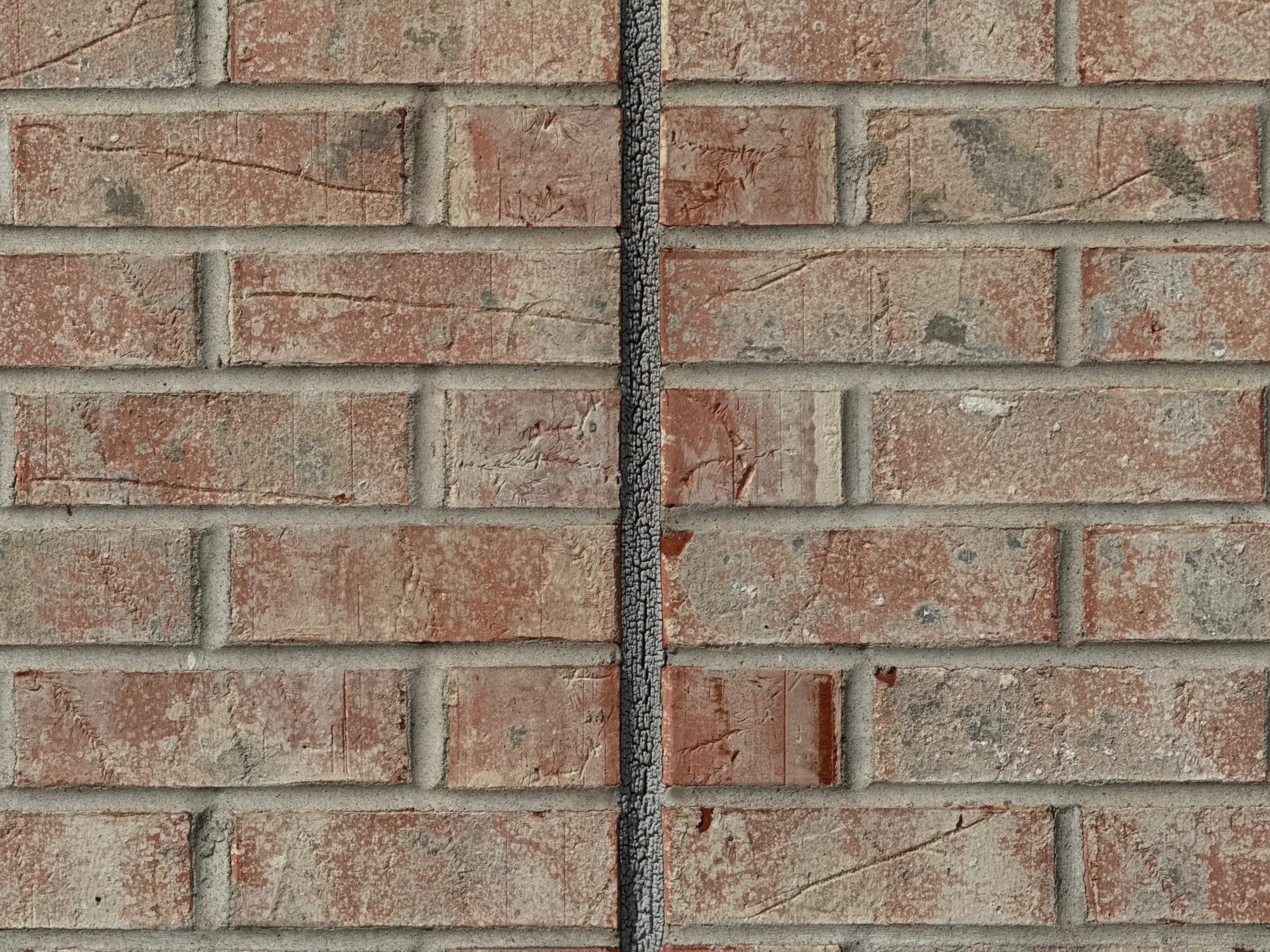
Failing sealants can lead to moisture intrusion, interior damage, and deterioration of surrounding building materials. Replacing compromised sealants at the right time helps maintain envelope performance, reduces the risk of more extensive repairs, and ensures the structure continues to perform as intended.
How We Replace Failing Sealants
Our process begins with identifying areas of failure and evaluating joint conditions. Existing sealants are fully removed to eliminate any compromised material and ensure proper bonding of the new system.
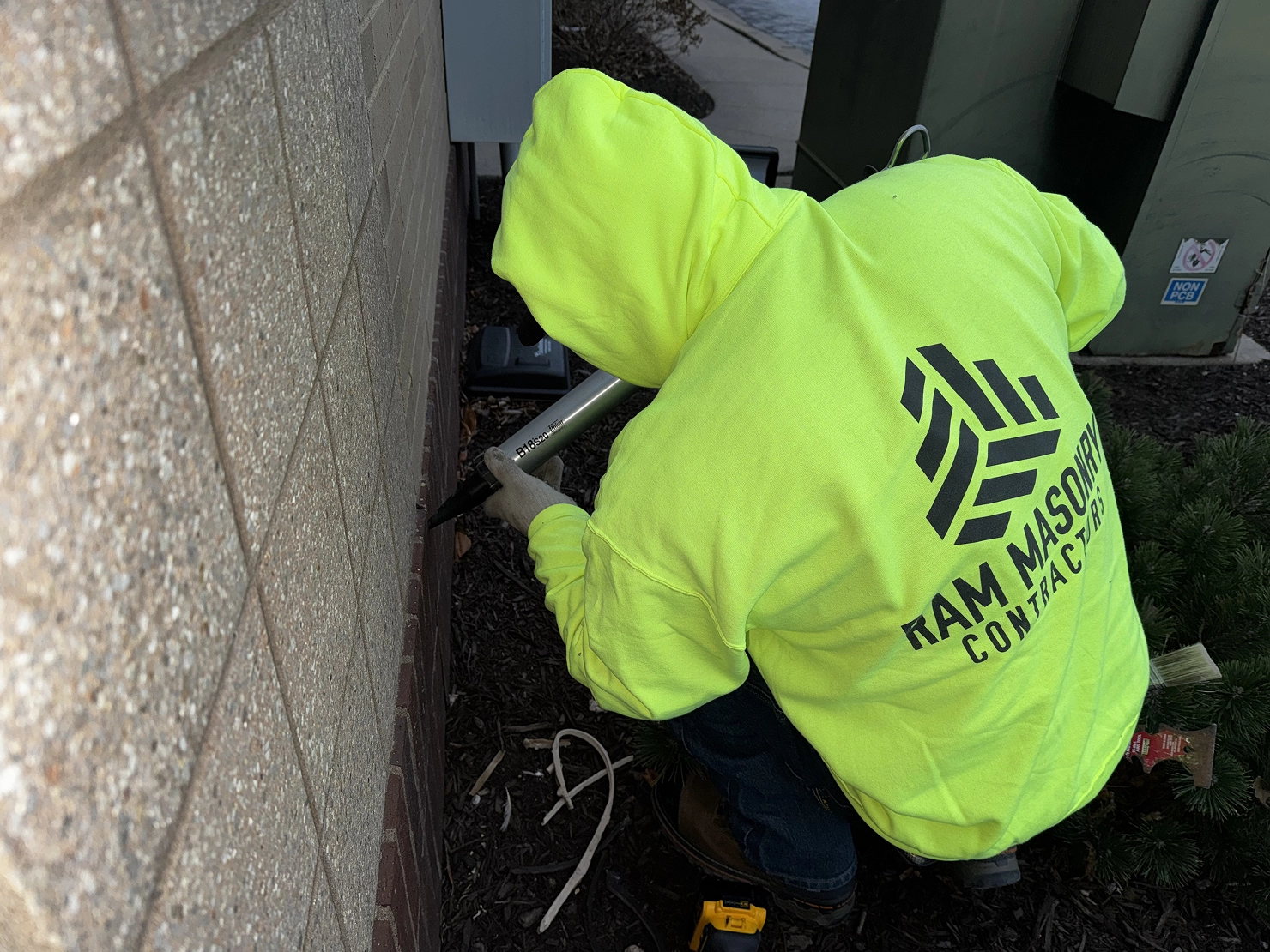
Joints are then cleaned and prepared to create a sound substrate. Proper backing materials are installed to control sealant depth and allow for movement. The new sealant is applied using controlled methods to ensure consistent adhesion, proper tooling, and a uniform finish.
Each installation is completed with a focus on long-term performance, ensuring the joint system remains flexible, watertight, and capable of handling building movement over time.